Treasure Hunting Made Practical: Outsmarting the Market at Thrift Stores and Estate Sales
Today we dive into thrift store and estate sale strategies for finding undervalued pieces, turning weekend browsing into purposeful treasure hunting. You will learn how to spot quality, negotiate respectfully, authenticate quickly, and restore gently, so overlooked items become meaningful additions to your home or profitable flips. We will mix proven tactics with real-world anecdotes, giving you confidence to act decisively without overspending or second-guessing.

Training Your Eye: Quality, Clues, and Quick Decisions
Great finds begin with patient observation and informed curiosity. By learning how good materials feel, how honest wear looks, and how construction reveals integrity, you reduce guesswork and move with intention. You will practice fast triage, pause for crucial checks, and leave behind items that only pretend to be special.
Estate Sale Playbook: From Line to Checkout
Estate sales reward preparation, patience, and kindness. Understand entry rules, sign-up lists, and how holding areas work. Prioritize rooms and categories, tag quickly, and circle back for deeper inspections. Speak respectfully with staff, ask about bundles, and keep offers realistic. Small courtesies often open doors to unexpected discounts and tips.
Study Before You Step Inside
Use listing photos to sketch a primary route and backup plan. Note furniture styles, book spines, small electronics, and cabinet hardware that hint at quality. Identify rooms with potential, like workshops and dens. Save measurements for your space, bring a tape, and prepare questions that signal genuine appreciation, not opportunism.
Negotiation That Feels Like a Conversation
Negotiation works best when it respects people and context. Start by admiring craftsmanship, not merely critiquing flaws. Ask if a bundle price is possible and explain your reasoning calmly. Cash can help; patience helps more. If your offer is declined, leave your number and graciously revisit late when adjustments become realistic.
Thrift Store Systems That Keep Paying Off
Consistent routines beat random luck. Learn each store’s restock rhythms, discount schedules, and sorting habits, then loop efficiently. Keep a short wish list, a rolling budget, and a standing toolkit in your car. Relationships matter too; friendly conversations often yield hints about timing, categories, and occasionally unseen back-room treasures.
Decoding Color Tags and Discount Calendars
Many stores rotate color tags weekly, quietly predicting when certain items will drop in price. Track cycles for several weeks, then prioritize shelves where today’s color means maximum savings. Pair this with known restock windows, so you can catch high-quality pieces on their first day and again when discounts hit.
The Cart Scan and Five-Second Triage
Move swiftly, scanning shelves for silhouette, material, and condition before reading labels. Place promising items in your cart, then run a deliberate second-pass inspection using a five-second checklist: construction, condition, comps, restoration cost, and gut feel. This rhythm protects your time while preventing excellent finds from slipping into someone else’s basket.
Authenticity and Condition: Protecting Your Bankroll
A single misstep can erase weeks of wins, so verify before you celebrate. Learn the hallmarks of genuine materials and era-correct details. Separate tasteful patina from structural damage. If you cannot authenticate quickly, adjust your price ceiling. Disciplined restraint today preserves capital for tomorrow’s unforgettable, story-rich discovery.

Gentle Restoration That Multiplies Value
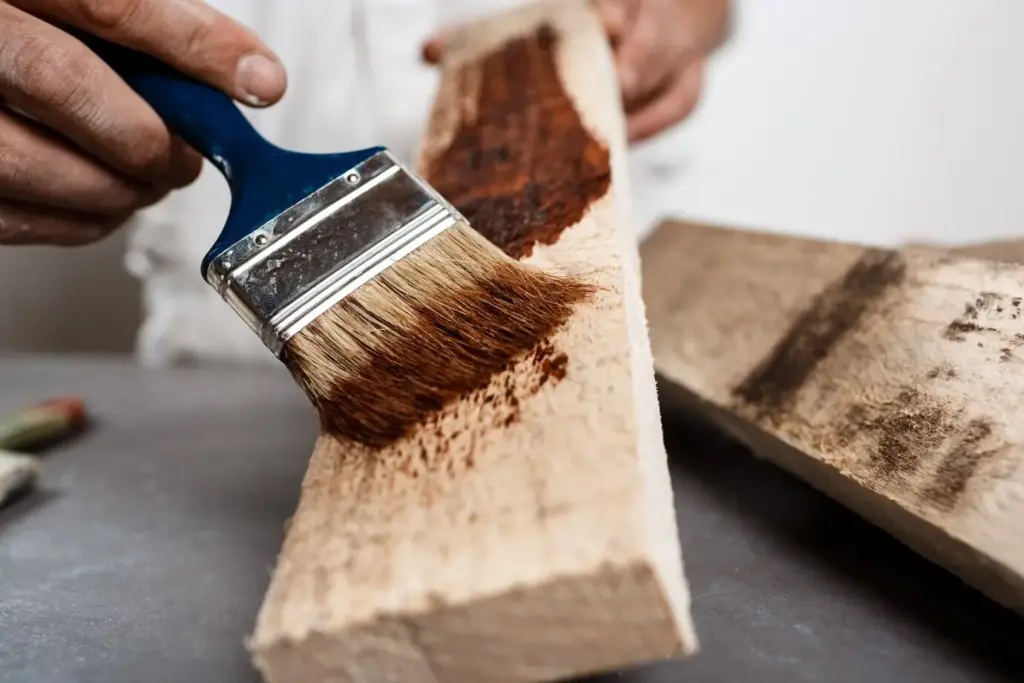
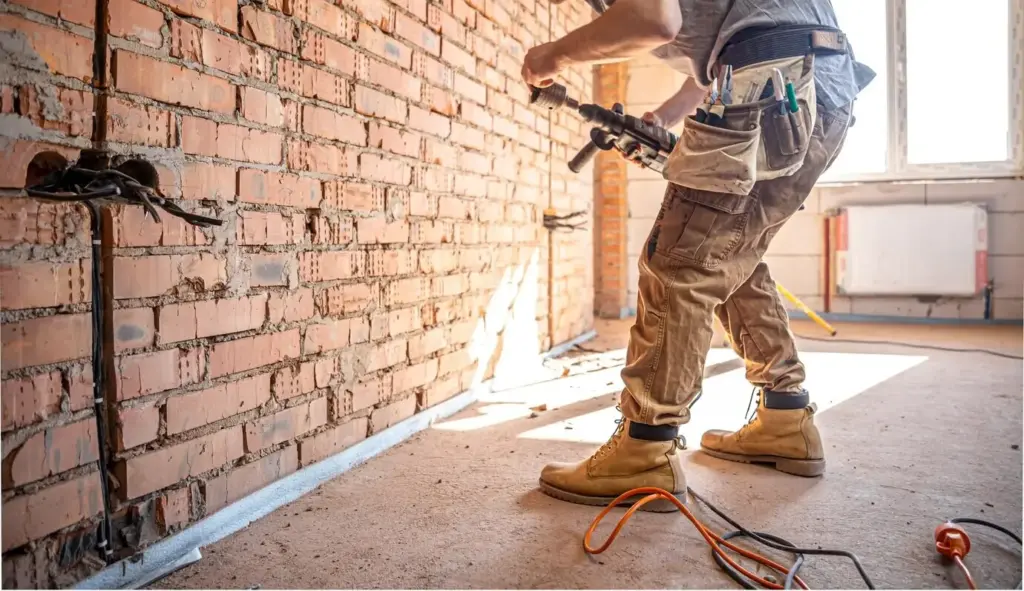
Thoughtful fixes can transform overlooked finds into cherished pieces or profitable sales. Start minimally, preserve patina, and honor original materials whenever possible. Calculate costs honestly, including supplies and time, and decide whether cleaning alone creates value. Restoration should reveal character, not erase history, protecting both aesthetics and long-term durability.
Selling Smart: Story, Photos, and Platforms
{{SECTION_SUBTITLE}}

Pricing With Confidence and Flexibility
Anchor prices using recent sold listings, not outdated wishful asks. Consider restoration costs, platform fees, and time-to-sell. Offer tiered pricing for local pickup versus shipping. Use round numbers for attention, then negotiate with small, respectful steps. Clear rationale signals professionalism and helps buyers feel comfortable committing quickly and happily.

Photos and Descriptions That Spark Desire
Stage pieces in natural light, capture context, and show scale with familiar objects. Photograph flaws honestly and angles that celebrate form. Write descriptions that highlight materials, maker details, era cues, and care instructions. Add a concise origin story, because memorable narratives help excellent items stand apart in crowded marketplaces.

All Rights Reserved.